Dental Implants: What to Expect During the Procedure and Recovery Process
 Byadmin
Dental Implants: What to Expect During the Procedure and Recovery Process
Missing teeth can affect more than your appearance. They can make eating uncomfortable, change how you speak, and impact your confidence. Fortunately, dental implants offer a durable, natural-looking solution for replacing missing teeth.
If you’re considering dental implants, understanding the procedure and recovery process can help you feel more comfortable about treatment.
What Are Dental Implants?
Dental implants are small titanium posts surgically placed into the jawbone to replace missing tooth roots. Once healed, they support a custom-made crown, bridge, or denture that looks and functions much like natural teeth.
Unlike traditional bridges, a single dental implant generally doesn’t require altering neighboring healthy teeth. Implants also help preserve jawbone by providing stimulation similar to natural tooth roots.
What Happens During Dental Implant Surgery?
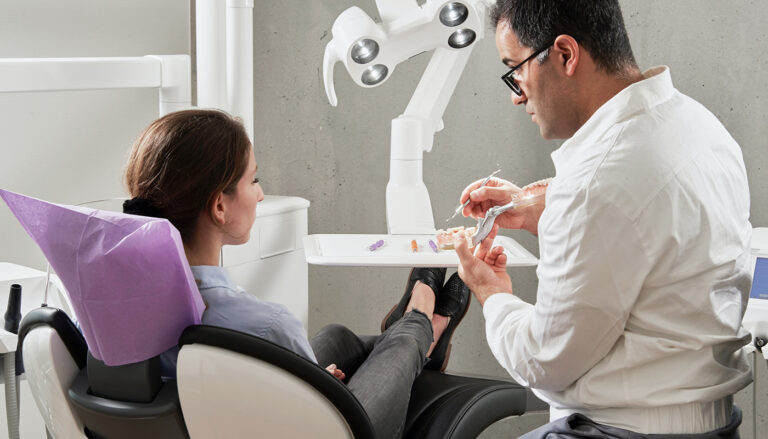
The process begins with a comprehensive dental examination, including imaging to evaluate your jawbone and surrounding teeth.
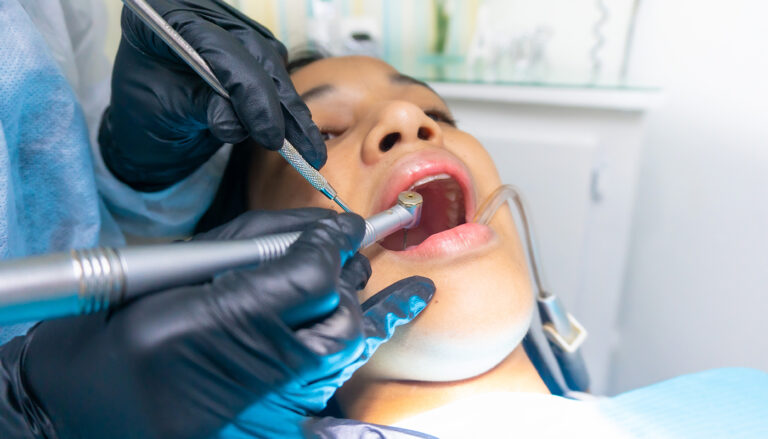
During surgery, the dental professional numbs the treatment area using local anesthesia. A small opening is made in the gum, and the implant is carefully positioned within the jawbone.
Some patients require bone grafting before or during implant placement to provide adequate support. Your dentist will discuss whether additional procedures are necessary.
Dental Implant Recovery: The First 72 Hours
Most patients experience mild to moderate discomfort, swelling, or minor bleeding during the first few days following surgery.
To promote healing:
-
Apply cold compresses as directed to help manage swelling.
-
Eat soft foods such as yogurt, scrambled eggs, and mashed potatoes.
-
Avoid strenuous exercise and heavy lifting.
-
Take prescribed or recommended medications as directed.
-
Avoid smoking, which can interfere with healing.
Follow your dentist’s instructions regarding brushing, rinsing, and protecting the surgical area.
What to Expect During the First Week
Swelling and discomfort generally begin improving within several days. Many patients return to normal daily activities relatively quickly, although individual recovery experiences vary.
Continue eating appropriate foods and avoid chewing directly on the implant site until your dental professional advises otherwise.
Contact your dentist if you experience worsening pain, persistent bleeding, fever, or increasing swelling.
How Long Does Complete Implant Healing Take?
Although initial recovery usually takes about one week, complete healing requires considerably more time.
During a process called osseointegration, the surrounding jawbone gradually bonds with the implant, creating a stable foundation.
This process commonly takes three to nine months, depending on your health, bone quality, and whether additional procedures were required.
Once healing is complete, your dentist can attach the final restoration, giving you a functional, natural-looking replacement tooth.
How to Care for Your Dental Implants
Dental implants require regular maintenance, just like natural teeth. Brush twice daily, clean between your teeth, and schedule routine dental examinations.
With proper care, implants can remain functional for many years, although restorations may eventually require replacement.
Restore Your Smile at Ace Dental Roseville
At Ace Dental Roseville, Dr. Karanvir Sibia and our dental team provide personalized restorative dentistry, including dental implants.
We’ll evaluate your oral health, explain your treatment options, and help you understand what to expect throughout the recovery process.
Ready to restore your smile?
Call (916) 772-0111 or visit Ace Dental Roseville to schedule a dental implant consultation.