
Periodontics
PERIODONTICS
What Are Periodontics?
Periodontics is the branch of dentistry that deals with the gum tissues. The gums serve as the base that hold the teeth in place and cover the alveolar (jaw) bones. They have a pinkish color and a soft texture. Because the gums are directly connected to the teeth and jaws, it is necessary to keep them healthy if you want to maintain good oral health.
What Happens if You Don’t Take Care of Your Periodontal Health?
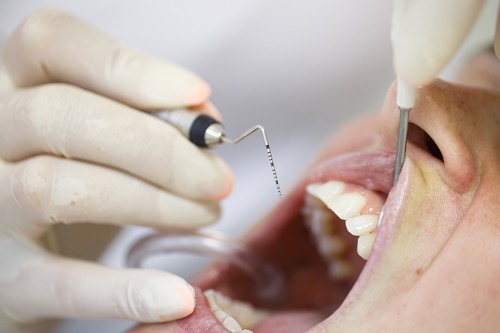
Untreated tartar buildup, a mix of food debris and bacteria, causes gum disease, the leading cause of tooth loss. This infection often goes unnoticed until later stages when gums bleed, swell, or recede. As gums recede, they expose vulnerable tooth roots, increasing the risk of decay and structural weakening. This can lead to loose teeth and tooth loss, making dental restoration challenging until the infection is cleared. Regular professional cleaning is key to prevention.
Don’t underestimate the importance of periodontal health!
Stages of Gum Disease
Like most diseases, gum disease is divided into stages. The earliest stage is gingivitis; the more severe stage is periodontitis.
Gingivitis
It is estimated that almost all adults around the world have had gingivitis in at least one tooth at some point in their life. Because it is still a mild form of periodontal disease, regular professional cleaning and improved oral hygiene may possibly stop gingivitis from worsening and eventually eradicate it.
Periodontitis
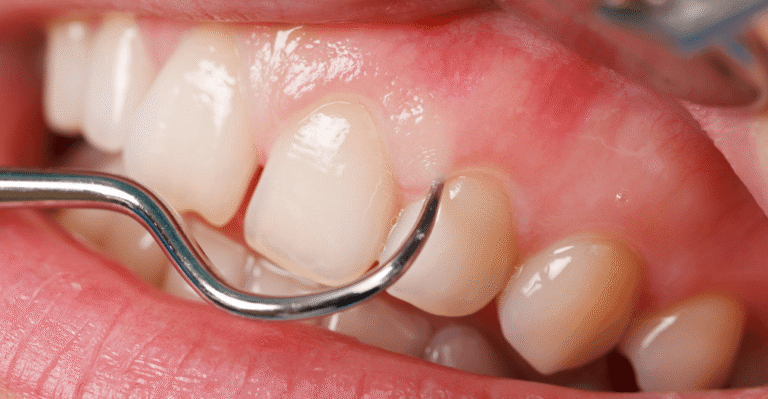
If gingivitis is left untreated, the infection can grow and spread to nearby teeth, resulting in periodontitis. In this stage, some apparent symptoms include:
- Frequent bleeding of the gums, especially while flossing;
- Swelling, redness, and tenderness of the gums;
- Gum recession;
- Tooth sensitivity due to exposed roots; and,
- Wobbly or loosening teeth
Periodontitis is quite serious and can lead to tooth loss and bone malformation. Once detected, it should be treated right away to keep the teeth from falling out and the gums from losing structure.
How to Maintain Periodontal Health
If you don’t have gum disease, this doesn’t mean you can neglect your periodontal health. Don’t wait for the symptoms to appear! Here are some ways to maintain the health of your gums:
Regular dental cleaning (prophylaxis). Prophylaxis or preventative care is done inside a dental office by either a dentist or dental hygienist. Based on your current dental health, you may be advised to receive prophylaxis once a year or every six months or more.
Proper oral hygiene. Brushing twice a day and flossing at least once a day are still mandatory for good oral health. Even if you receive dental cleaning regularly, your everyday hygiene should still be maintained in between visits.
Regular exams and X-ray imaging. Because gum disease can be asymptomatic, one of the best ways to detect the problem early is through examination. Close observation of the gums as well as X-ray images can help dental professionals diagnose periodontal disease and nip it in the bud.
Lifestyle adjustments. Apart from practicing good oral hygiene, other ways to keep your gums healthy include:
- drinking plenty of water;
- avoiding too much sweet and sticky foods;
- eating crunchy fruits and vegetables; and,
- supplementing your diet with calcium, vitamin D, phosphorus, and magnesium.
Getting Preventative Dental Care from Ace Dental in Roseville
At Ace Dental in Roseville, we prioritize preventative dental care, especially when it comes to gum disease. Since gum disease often recurs, leading to costly repetitive treatments, we believe in preventing it before it starts.
To receive preventative dental care, contact us through our online form, call us at (916) 772-0111, or visit our office at 1070 Pleasant Grove Suite 110 Roseville, CA 95678. Dr. Karanvir Sibia will examine your teeth and gums to determine if any specialized periodontal treatment is needed.
Even if you’ve already had periodontal treatment, regular follow-up appointments are crucial to prevent recurrence. Those with a history of gum disease have a higher likelihood of experiencing it again, as the condition can be ongoing.
To avoid the expense and invasiveness of future treatments, we recommend visiting Ace Dental in Roseville every six months for routine check-ups.